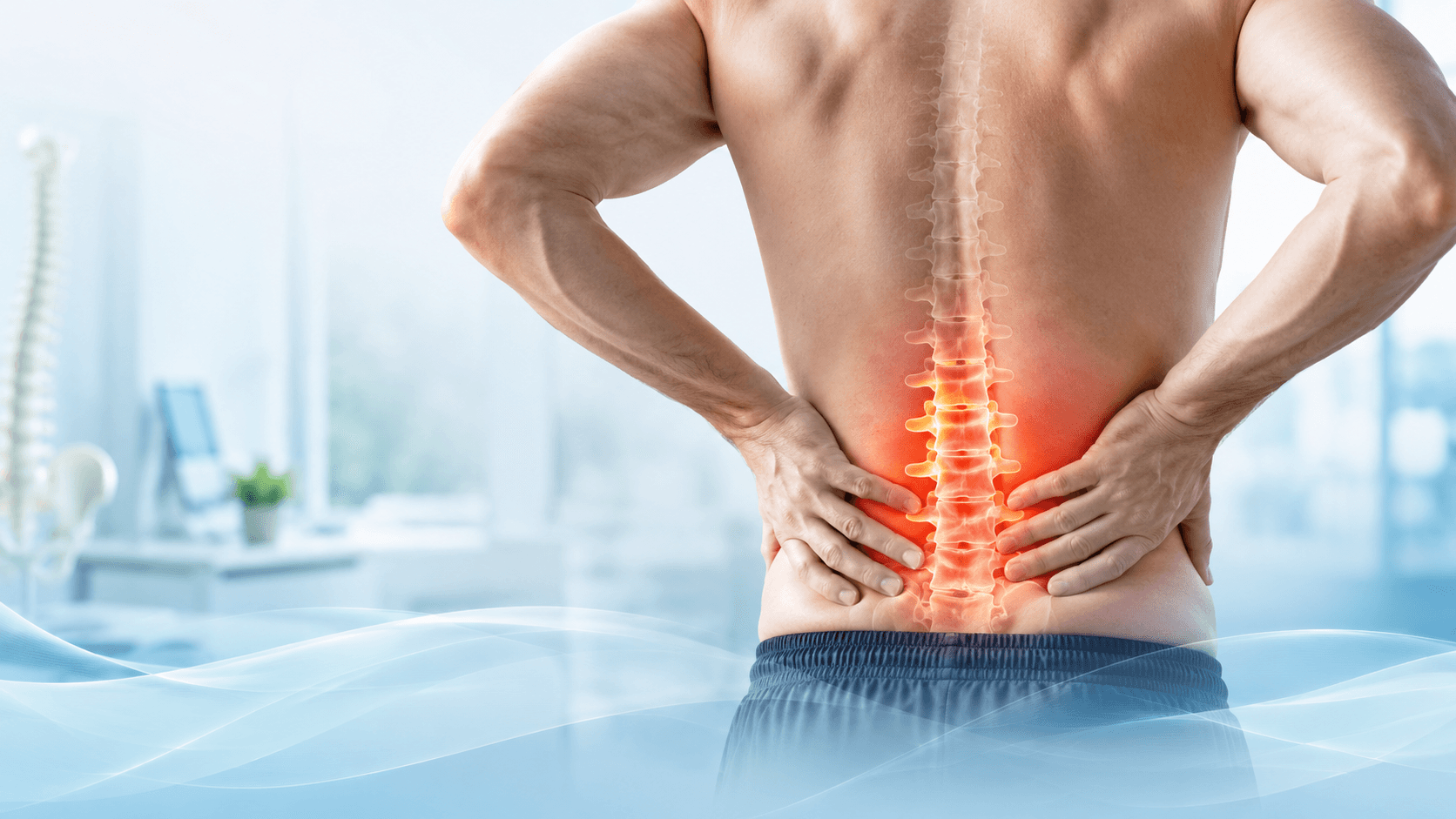
Practical SpineOn advice
My back has suddenly gone into spasm. What should I do in the first few hours, and when should I stop waiting?
You bend down to pick up a bag, turn while getting out of the car, or simply stand up from a chair, and suddenly you cannot straighten up. With acute lower back pain, it helps to know what to try straight away and which symptoms should not be managed by waiting at home.
Prepared by the team at SpineOn
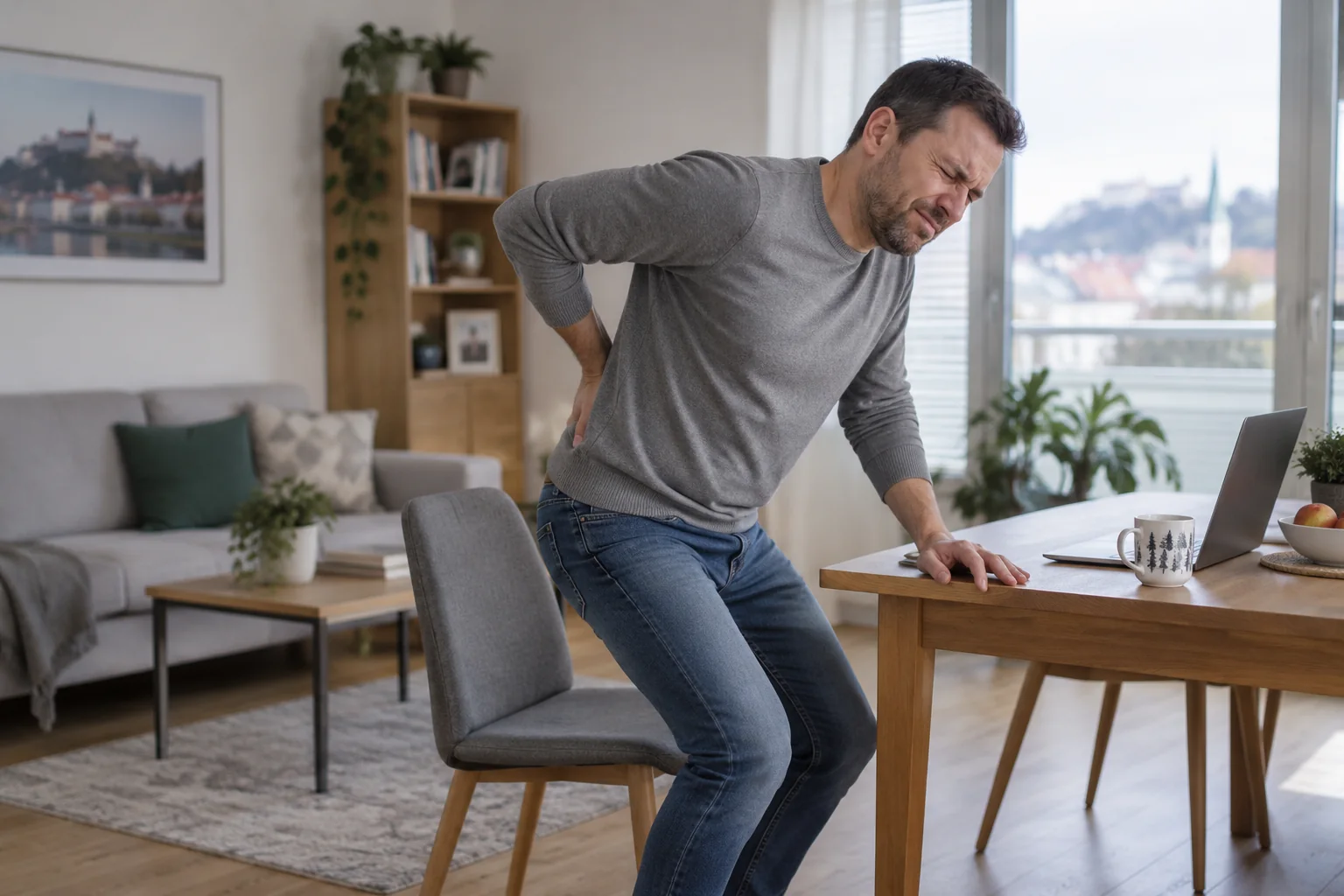
A back spasm describes a feeling, not a precise diagnosis
People often use the phrase “my back has gone” to describe sudden sharp pain, stiffness, or the feeling that their back has locked during a movement. Several mechanisms can cause this symptom, and without an examination it is not sensible to determine the exact cause from a single moment.
The good news is that many episodes of acute lower back pain do not mean serious damage. In the first few hours, however, it is important to distinguish ordinary acute pain from symptoms that need faster action.
What to do in the first few hours
- Find a position that helps the pain settle. A short rest is fine. You do not need to spend the whole day motionless in bed.
- Change position regularly. If your condition allows, try a short, slow walk around your home before returning to a comfortable position.
- Reduce demanding activity for a few hours. Avoid heavy lifting, sudden twisting, and repeated movements that immediately make the symptom much worse.
- For acute lumbago, consider warmth first. A warm shower, hot-water bottle, or dry warm pack for 15–20 minutes may help ease protective muscle tension and stiffness. Ice is not the first choice for a typical back spasm; if cold feels helpful, use it only briefly, through a cloth, and never directly on the skin.
- Do not try to force your back to “unlock”. Aggressive stretching or sudden manipulation may not be appropriate in the acute phase, especially if pain shoots down a leg.
Interactive guide
What should you focus on right now?
Choose the stage that best matches where you are in the acute episode.
The first 2–3 hours
First look for a tolerable position and brief, calm changes of position. You do not need to test your pain limits every few minutes.
- Rest briefly in a comfortable position
- Try a few steps if possible
- Avoid heavy lifting and sudden twisting
What if pain starts shooting down a leg?
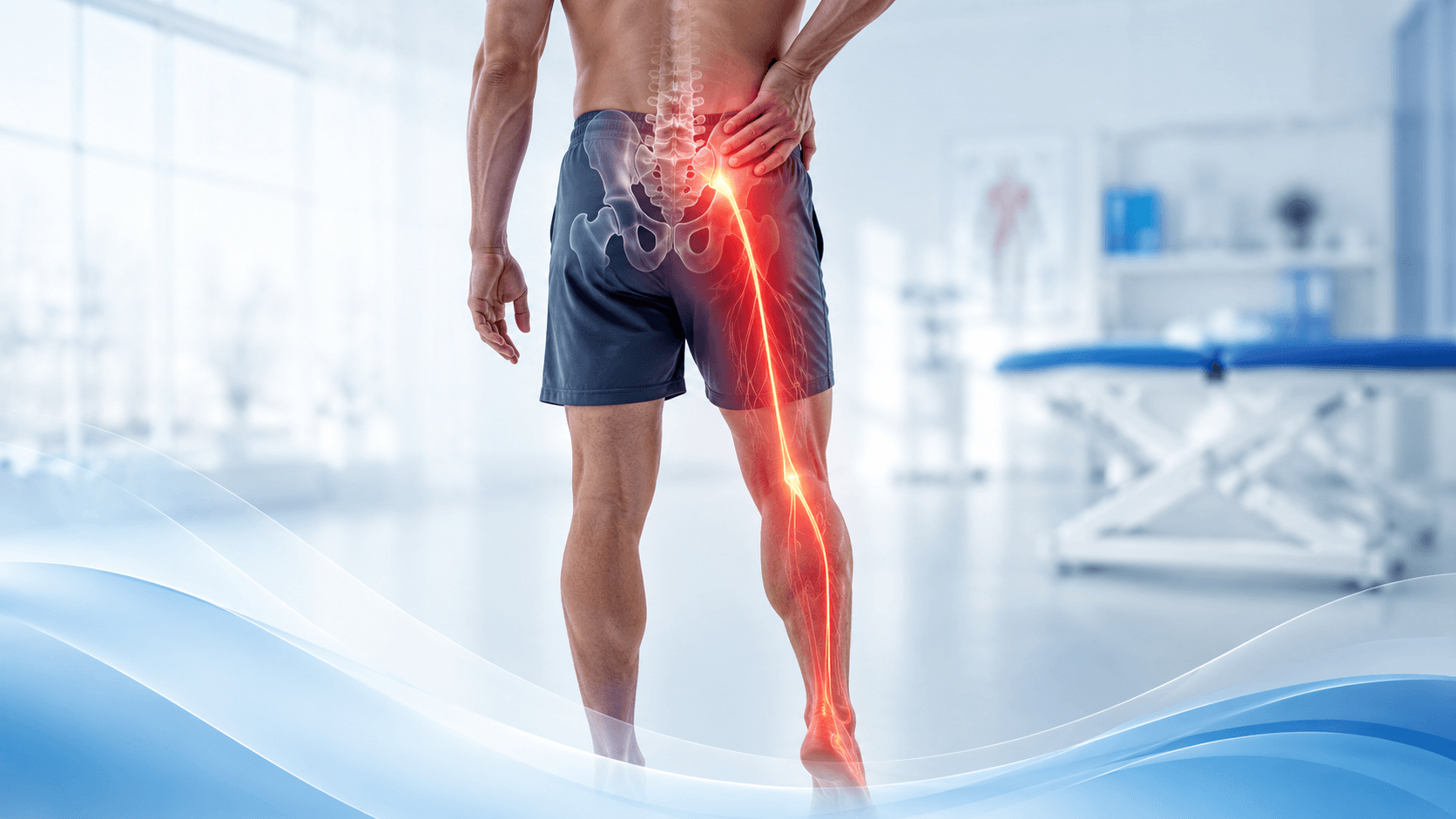
If lower back pain is accompanied by burning, electric sensations, tingling, or pain spreading into the buttock and leg, a nerve may be irritated. Pain radiating into one leg alone does not automatically mean an emergency, but it changes how the problem needs to be assessed.
It matters whether weakness or loss of sensation develops, whether symptoms progress quickly, and whether one or both legs are affected. Read more about these symptoms on the page about sciatica.

When to see a doctor even without typical neurological warning signs
Early medical assessment is also appropriate if pain is very severe and getting worse quickly, comes with fever or feeling generally unwell, follows a significant injury, or you have a serious illness that may change the significance of back pain.
If you are unsure whether a new symptom is part of an ordinary episode of acute pain, contacting a healthcare professional is safer than waiting for an internet diagnosis.
Do you need an MRI straight away after a back spasm?
For ordinary acute lower back pain without warning signs, imaging is not routinely the first step. Clinical assessment of symptoms, function, and how the condition is developing is more important. MRI is useful when its result may change the next steps.
If you already have an older MRI or other records, take them to your doctor. The findings still need to be compared with your current pain and function.
What to note after an acute episode
If you do not gradually improve after an acute episode, pain recurs, limits sitting, walking, or work, or radiates into a leg, contact a doctor. Note when symptoms began, how they developed, and which activities change them.
During a visit to Spineon, you can discuss movement habits and everyday activity. A visit does not replace a medical examination. Further information is available in our article about lower back pain.
Frequently asked questions
Select a question to open its answer. Only one answer stays open at a time.