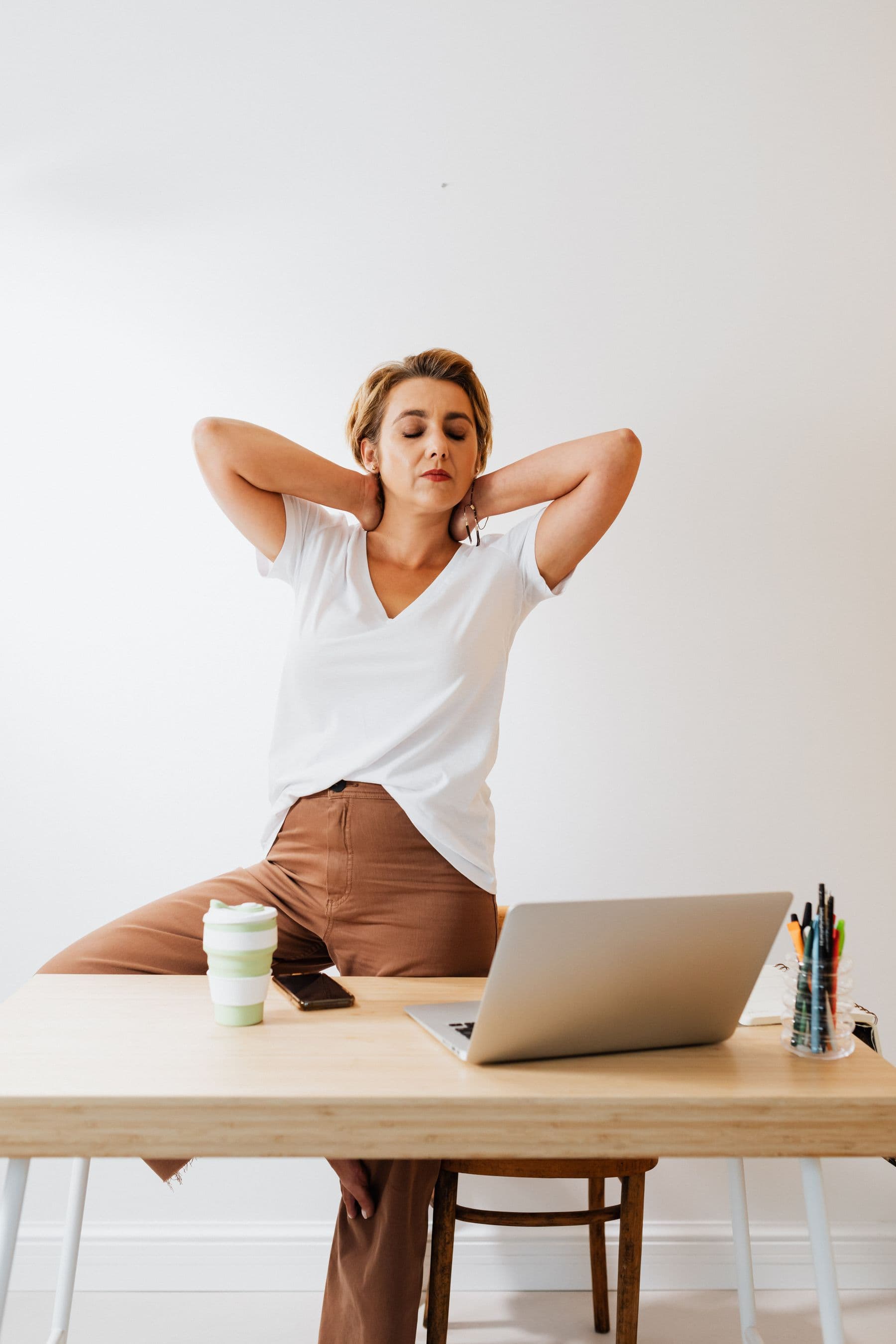
Practical SpineOn advice
Lower back pain, movement, and everyday habits
If lower back pain returns, radiates into the leg, or limits sitting, walking, or work, note how it changes and contact a doctor. This article offers information to help you prepare your questions.

When lower back pain returns, radiates, or limits movement
Lower back pain can feel like pressure, sharp pain when bending, stiffness after sitting, or pain spreading into the buttock and leg. Not every pain has the same cause, and imaging findings do not always explain every symptom. Note what makes symptoms better or worse and whether tingling or weakness develops. This information is useful when talking to a doctor.
What to observe during movement and daily activity
Note which activities feel comfortable and which make symptoms worse. Prolonged sitting, repeated bending, lifting, or a sudden change in activity may be relevant. Discuss existing examination results with a doctor. At Spineon, you can talk about your movement habits, abilities, and goals.
Thinking about your next steps with movement
Observe your response to activity and changes in everyday life. Avoid forcing your way through pain or trying exercises without considering their effects. Contact a doctor if symptoms worsen or new ones appear. A conversation about movement habits at Spineon does not replace a medical examination.